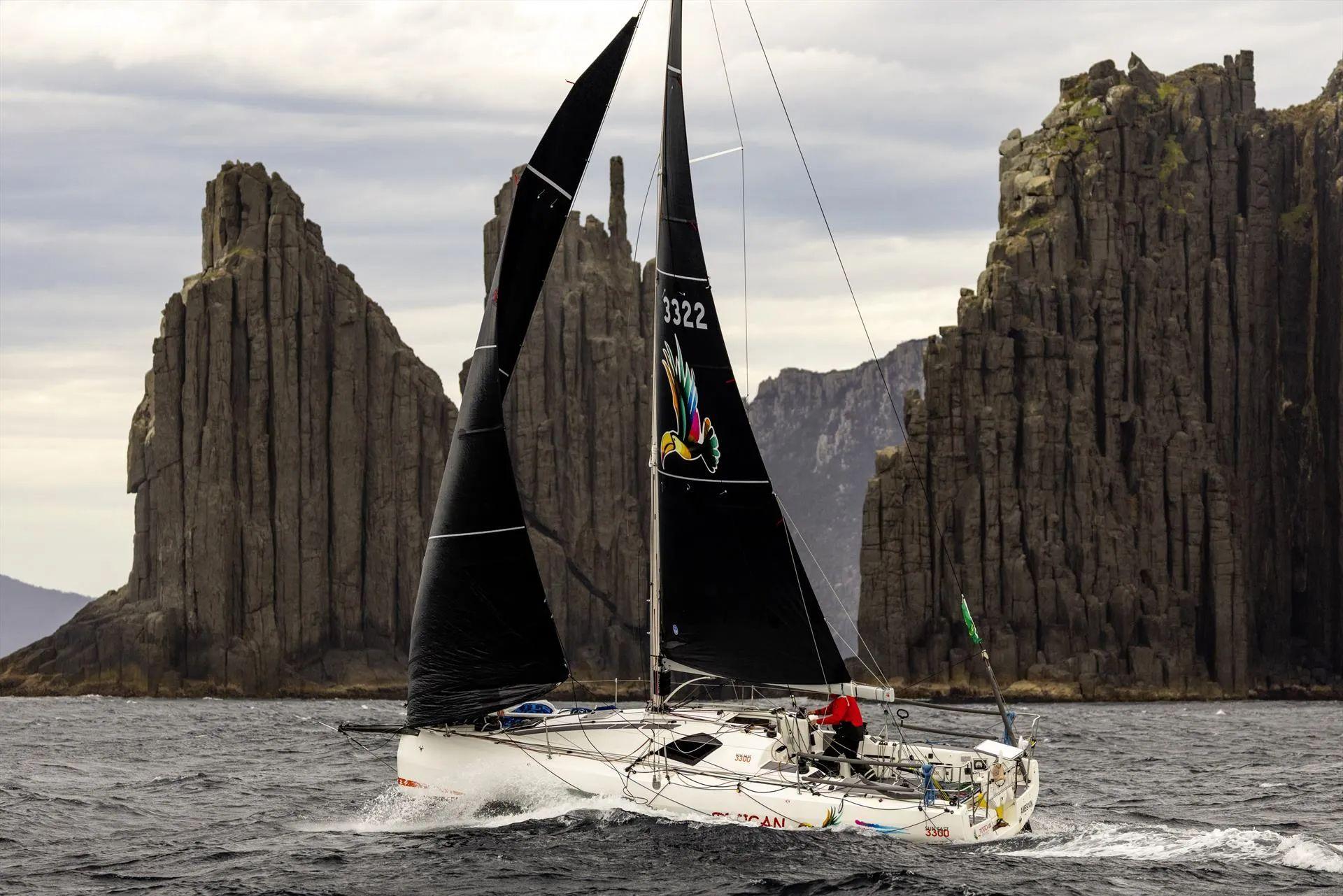
What It Takes to Win the Rolex Sydney Hobart Yacht Race Double Handed Division
Double handed offshore racing has moved from niche to mainstream, and nowhere is that more evident than in the Rolex Sydney Hobart Yacht Race. What was once seen as an extreme challenge reserved for a select few is now one of the most compelling divisions in offshore sailing. Smaller crews, higher workloads, and a greater reliance on preparation and systems have reshaped what it means to be competitive.
Winning in this division is not simply about speed. It is about balance across design, setup, decision making, and endurance. When all of those elements come together, the results can be exceptional.
The Rise of Double Handed Offshore Racing
Across Australia and internationally, double handed racing continues to grow. It appeals to experienced sailors looking for a purer test of skill, where efficiency and smart systems replace reliance on large crews.
In events like the Sydney Hobart, this format demands constant engagement. There is no off watch in the traditional sense. Every sail change, every tactical decision, and every system onboard must work seamlessly with minimal hands available.
Yacht Design and Configuration
Success begins with the right platform.
Modern offshore yachts designed with short handed sailing in mind prioritise balance, control, and ease of handling. Hull shape, stability, and deck ergonomics all play a role in reducing workload while maintaining performance.
Boats such as the JPK 1030 and the Jeanneau Sun Fast 3300 highlight how different design approaches can achieve the same goal. Delivering high performance offshore capability that can be managed effectively by two sailors.
While design philosophies may vary, the outcome is consistent. A well set up yacht allows sailors to focus on strategy rather than simply managing the boat.
Systems That Make the Difference
In double handed racing, onboard systems are not just helpful. They are critical.
Autopilot performance is one of the defining factors. A reliable, responsive system allows sailors to rest, navigate, and manage sails without compromising speed.
Deck layouts must be intuitive and efficient. All sail controls need to be within easy reach, allowing reefing, trimming, and sail changes to be completed safely from the cockpit.
Water ballast systems, where fitted, add another layer of performance. Quick transfer and simple controls can significantly impact stability and speed, particularly during offshore transitions.
Energy management is equally important. With autopilots, instruments, and navigation systems running continuously, reliable power systems supported by solar or charging solutions are essential for sustained performance.
Sail Inventory and Flexibility
Winning campaigns are built on versatility.
A well considered sail inventory allows a crew to adapt to changing conditions without hesitation. Decisions around symmetric versus asymmetric spinnakers, multiple headsail options, and reefing capability all influence performance over the course of a long offshore race.
The ability to quickly change modes, reduce sail area, or push harder when conditions allow often defines the outcome.
The Human Factor
Even with the best equipment, success ultimately comes down to the sailors.
Double handed racing places a premium on endurance, communication, and trust. Managing fatigue while maintaining performance is one of the greatest challenges. Decision making must remain sharp, even after long periods without proper rest.
Experience plays a major role. Knowing when to push, when to protect the boat, and how to manage changing conditions is often what separates the front of the fleet from the rest.
Preparation is Everything
Campaigning for the Sydney Hobart requires significant preparation.
Qualification races, safety compliance, and ongoing optimisation all form part of the process. Successful teams spend months refining systems, testing sail configurations, and ensuring reliability across every aspect of the yacht.
It is this preparation that allows crews to focus on performance when the race begins.
A Proven Example
The 2025 edition of the Rolex Sydney Hobart Yacht Race highlighted exactly what is possible when preparation, design, and execution align.
The JPK 1030 Min River delivered an outstanding performance to secure both Overall Honours and the Double Handed IRC Division win. It was not the result of a single factor, but rather the culmination of a well considered design, a refined setup, and a campaign executed at a high level.
Taking the Next Step
For sailors looking to enter or progress within double handed offshore racing, access to the right yacht and the right guidance is critical.
Performance Boating Sales works with a range of proven offshore racing yachts, including models such as the JPK 1030 and the Jeanneau Sun Fast 3300, offering options for different campaigns, budgets, and ambitions.
The team is led by Lee Condell, an experienced double handed offshore sailor with podium finishes in previous Sydney Hobart races. This real world racing experience provides valuable insight for those looking to campaign seriously and competitively.
Winning the double handed division of the Rolex Sydney Hobart Yacht Race is never accidental. It is the result of the right combination of yacht, preparation, systems, and skill.
For those ready to take on the challenge, the pathway is clearer than ever. With the right platform and the right support, competing at the front of the fleet is an achievable goal.