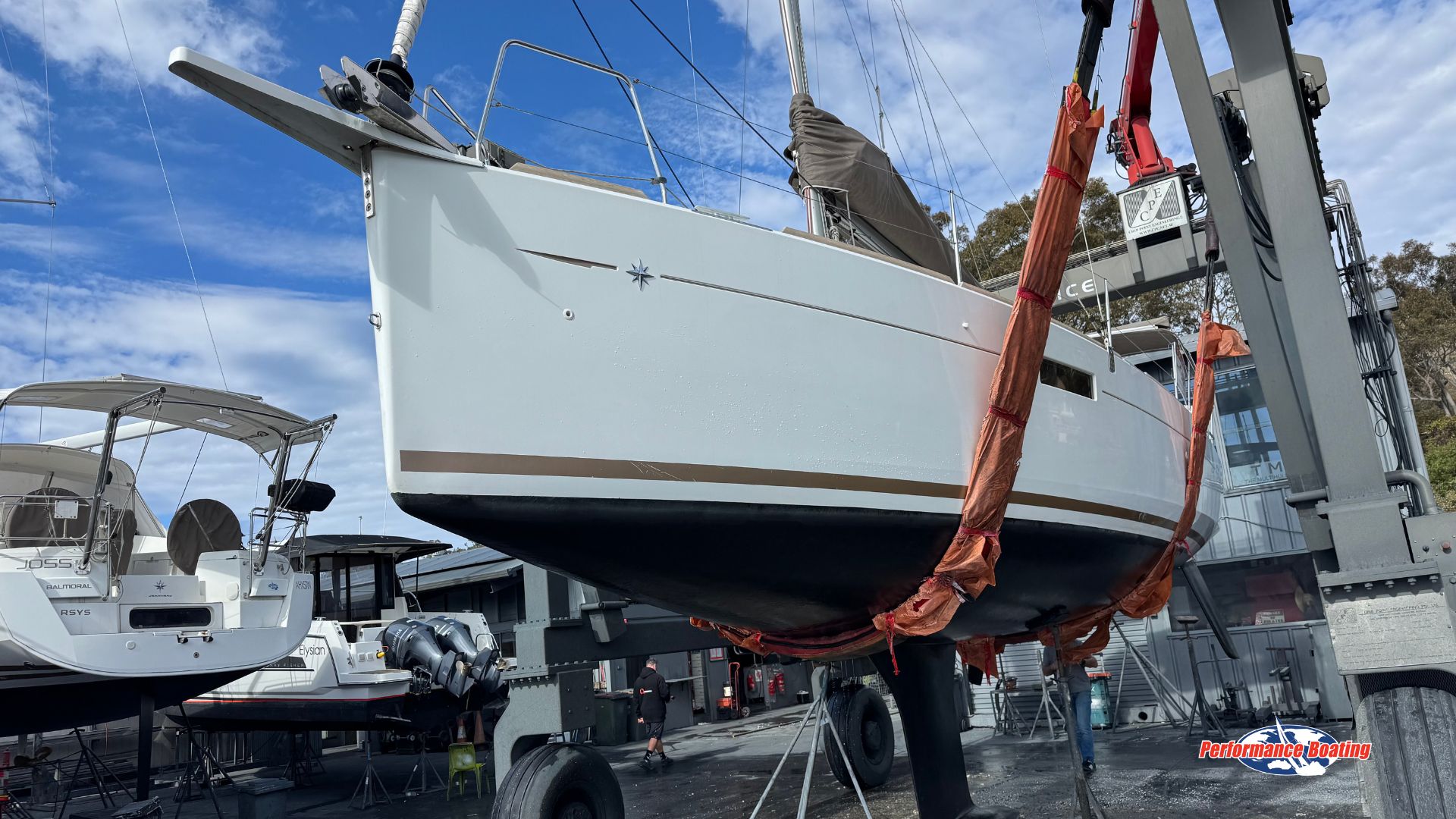
As the new boating season approaches, a little preventative maintenance can go a long way towards keeping your yacht reliable, safe and ready to enjoy.
Late winter and early spring are ideal times to work through the key areas of your yacht, giving you plenty of time to address any issues before the busy summer months.
Book Your Antifouling
Late winter and early spring are generally the best times to have your antifouling completed. This means the antifouling is working at its most effective during the warmer months, when marine growth rates are higher.
If your yacht is due for antifouling, now is the time to book it.
Many sailing yachts use the popular Volvo shaft gland, regardless of the brand of engine fitted to the vessel. If your yacht has one, make sure the gland is correctly “burped” after relaunch. This removes trapped air and allows water to enter the gland for lubrication. Failing to do this can significantly reduce the life of the gland.
Antifouling is also a good opportunity to inspect underwater components, including seacocks, valves, the propeller, shaft and saildrive.
Give the Engine a Thorough Check
An engine service is important, but a proper pre-season inspection should go further.
Check the exhaust elbow for signs of blockage or leakage, inspect the water pump, check that engine mounts are clean and free from corrosion, and make sure the shaft gland or saildrive water intake valve is watertight.
For shaft-driven vessels using a Volvo shaft gland, the gland should also be repacked with grease annually. This is conveniently done as part of the engine service.
Check Your Batteries
Batteries can deteriorate without obvious warning, particularly as they get older.
Have your batteries load tested before the season starts. Replacing a battery before it fails is far better than discovering the problem when you are preparing to head offshore.
Inspect the Rig
A professional rig inspection is a relatively inexpensive way to identify potential problems before they become serious.
Standing and running rigging should be checked for wear, corrosion and damage, along with fittings and other components that may have developed issues during the off-season.
A pre-season inspection provides peace of mind before you start putting miles on the boat.
Check Your Headsail UV Strip
The UV strip on your headsail is designed to take the punishment from the sun and protect the sail itself.
These are sacrificial components and will generally require replacement every few years, often around five years depending on use and exposure.
If the UV strip is showing signs of deterioration, have it inspected by a reputable sailmaker before the season gets underway.
Clean Your Sails and Canvas
Winter storage can sometimes leave sails and canvas with mould or mildew.
If your sails or canvas have developed mould, specialist cleaning can restore them and help prevent further deterioration. In Sydney, specialist providers such as VacuWash can assist with professional sail and canvas cleaning.
Check All Valves and Seacocks
All valves should be checked to make sure they are operating correctly and showing no signs of corrosion.
Antifouling time is a good opportunity to have underwater valves inspected, serviced or replaced.
If replacement is required, polymer valves can provide a maintenance-free alternative to traditional metal fittings.
A Little Preparation Goes a Long Way
Taking the time to prepare your yacht before the season starts can help prevent unexpected problems and ensure your vessel is ready when you are.
From antifouling and engine checks to rigging, sails, batteries and valves, preventative maintenance is one of the best ways to enjoy a trouble-free season and make the most of your time on the water.
If you need advice on preparing your yacht for the season, contact the Performance Boating team.
Lee Condell